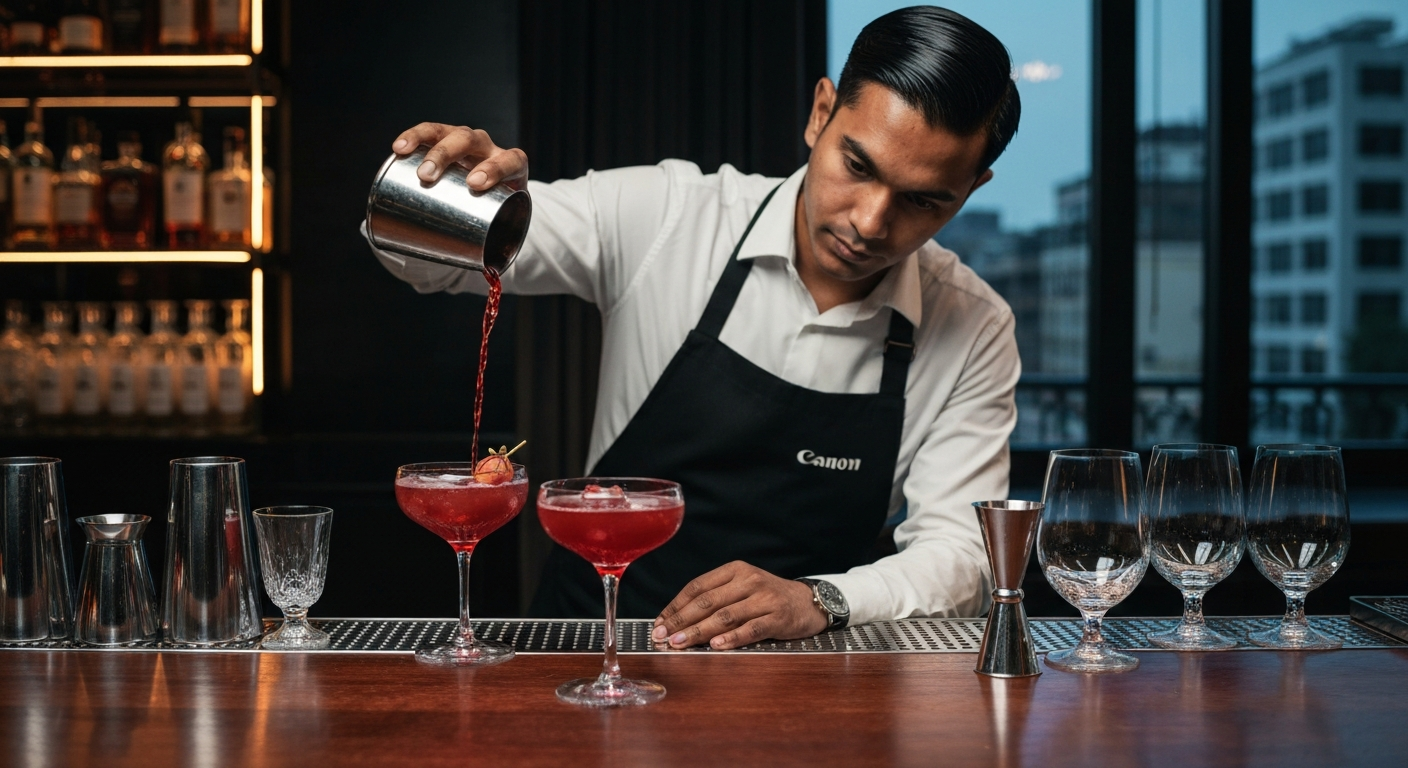
Cocktails with Croatian spirits: the bartender's guide to the Adriatic pour
Croatian spirits have been hiding in plain sight. For generations, the bottles of travarica, pelinkovac, and šljivovica that arrived in Australian homes came as gifts from relatives, tucked into luggage from Split or Dubrovnik, and poured neat at kitchen tables rather than behind bars.
That is starting to change. A new generation of bartenders - drawn to bitterness, herbal complexity, and spirits with genuine provenance - is discovering what those kitchen tables have always known. Croatian spirits are serious, versatile, and almost entirely unclaimed as a cocktail category in Australia.
Here is where to start.
A spirits culture shaped by coast and stone
Croatia's distilling tradition is inseparable from its landscape. The Dalmatian coast - limestone karst, sea air, wild herbs growing between rocks - produces a flavour signature unlike anywhere else in the Mediterranean. Sage, rosemary, lavender, and immortelle grow freely along the coast and its islands, and for centuries they have found their way into the spirits made there.
The tradition is also shaped by the vine. Croatia has been growing grapes since antiquity, and like its neighbours across the Adriatic and Aegean, it developed a culture of distilling what the winepress left behind. Grape marc, stone fruit, bitter botanicals - the raw materials of Croatian spirits are agricultural and seasonal, tied to harvest and place in a way that industrial spirits categories simply cannot replicate.
That authenticity is exactly what the contemporary bar world is looking for.
The four spirits worth knowing
Travarica
Croatia's herbal brandy - grape marc distilled with a blend of wild Dalmatian herbs. The specific botanical mix varies by producer and region, but sage, rosemary, and coastal aromatics are the consistent thread. The result is something between grappa and a herbal liqueur - fiery enough to signal its origins, fragrant enough to invite curiosity.
Traditionally served ice cold as a digestif alongside a few coffee beans, travarica is increasingly finding its way behind bars as a base spirit with a flavour profile few other categories can match.
Šljivovica
Plum brandy - arguably the soul of Balkan spirits culture, and one of the most underrated brown spirits in the world. Made from double-distilled fermented plums, Croatian šljivovica is clean, fruit-forward, and structured enough to anchor a serious cocktail. It rewards the same approach a bartender would bring to a good calvados or aged rum - respect the fruit, don't mask it.
Pelinkovac
Croatia's bitter liqueur, made from wormwood (pelin) and other botanicals in the central European herbal bitters tradition. Dark, viscous, and intensely bitter, it occupies a space somewhere between Jägermeister and Fernet-Branca but with a distinctly Balkan character - earthier, drier, less sweet than either. For a bartender already working with amari and digestif bitters, pelinkovac is an immediate and intuitive addition to the repertoire.
Maraschino
Croatia's most internationally famous spirits contribution - and the one most bartenders are already using without knowing its origins. Maraschino is a clear, dry liqueur distilled from Marasca cherries, a small, tart variety grown along the Dalmatian coast. The pits are included in distillation, contributing a characteristic almond-bitter note that distinguishes it from sweeter cherry liqueurs.
It has appeared in cocktail recipes since the nineteenth century. The Aviation, the Hemingway Daiquiri, the Last Word - maraschino is woven through the classic canon. Maraska, the Zadar producer that has been crafting it since 1821, makes the definitive expression of the category, and the one with the most direct connection to the ingredient's origins.
Five cocktails to start with
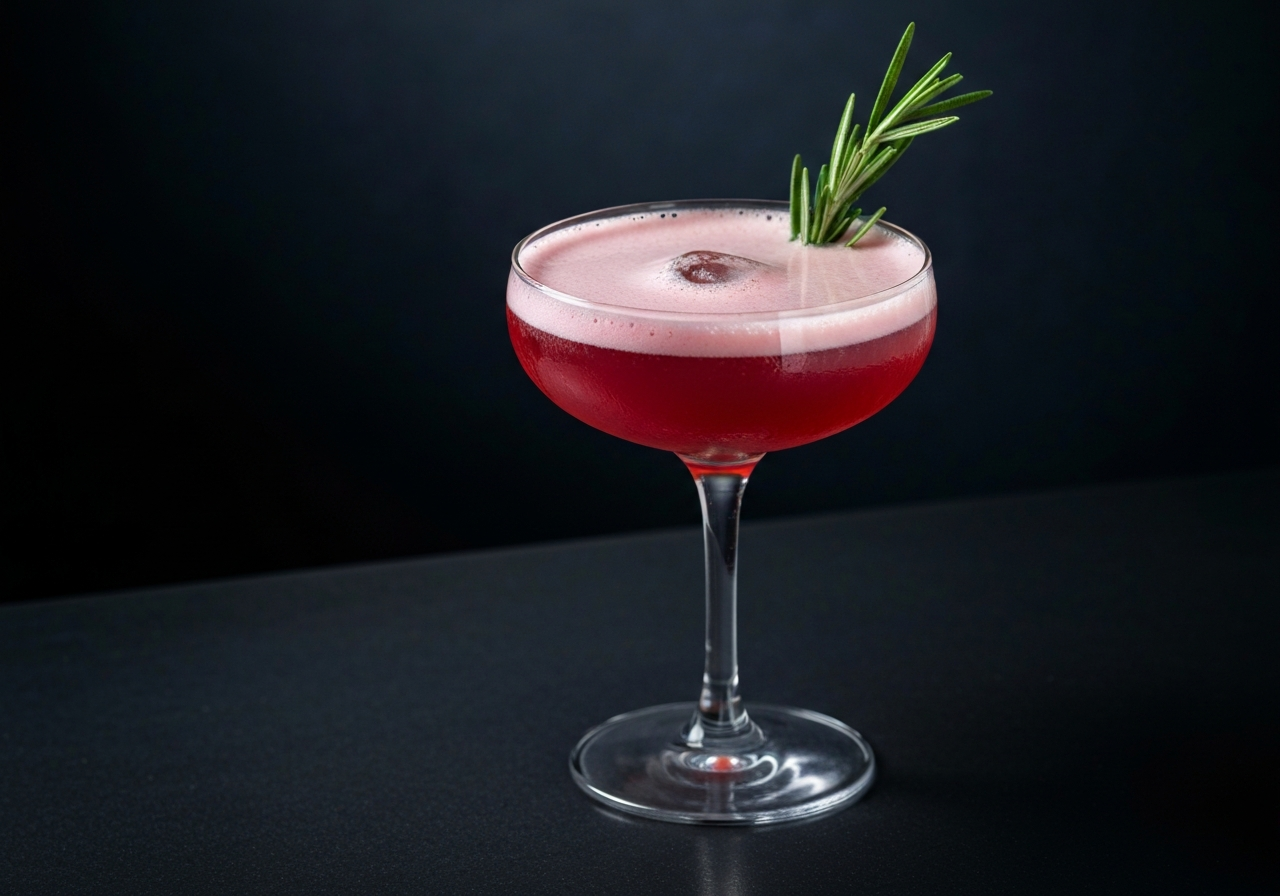
1. Dalmatian Sour
Base: travarica
Travarica's herbal character sits beautifully in a sour template - acidity lifts the botanicals and egg white softens the spirit's edges into something elegant and unexpected.
- 60ml travarica
- 25ml fresh lemon juice
- 15ml honey syrup (2:1 honey to water)
- 1 egg white
- Garnish: fresh rosemary sprig, expressed over the top
Dry shake first to emulsify, then shake hard with ice and double-strain into a chilled coupe. Express the rosemary over the surface - its aromatic oils echo the herb character already in the spirit.
Why it works: The sage and rosemary notes in the travarica are amplified rather than masked. Honey bridges the spirit's earthiness without adding competing sweetness. A strong opening cocktail for any guest encountering the category for the first time.
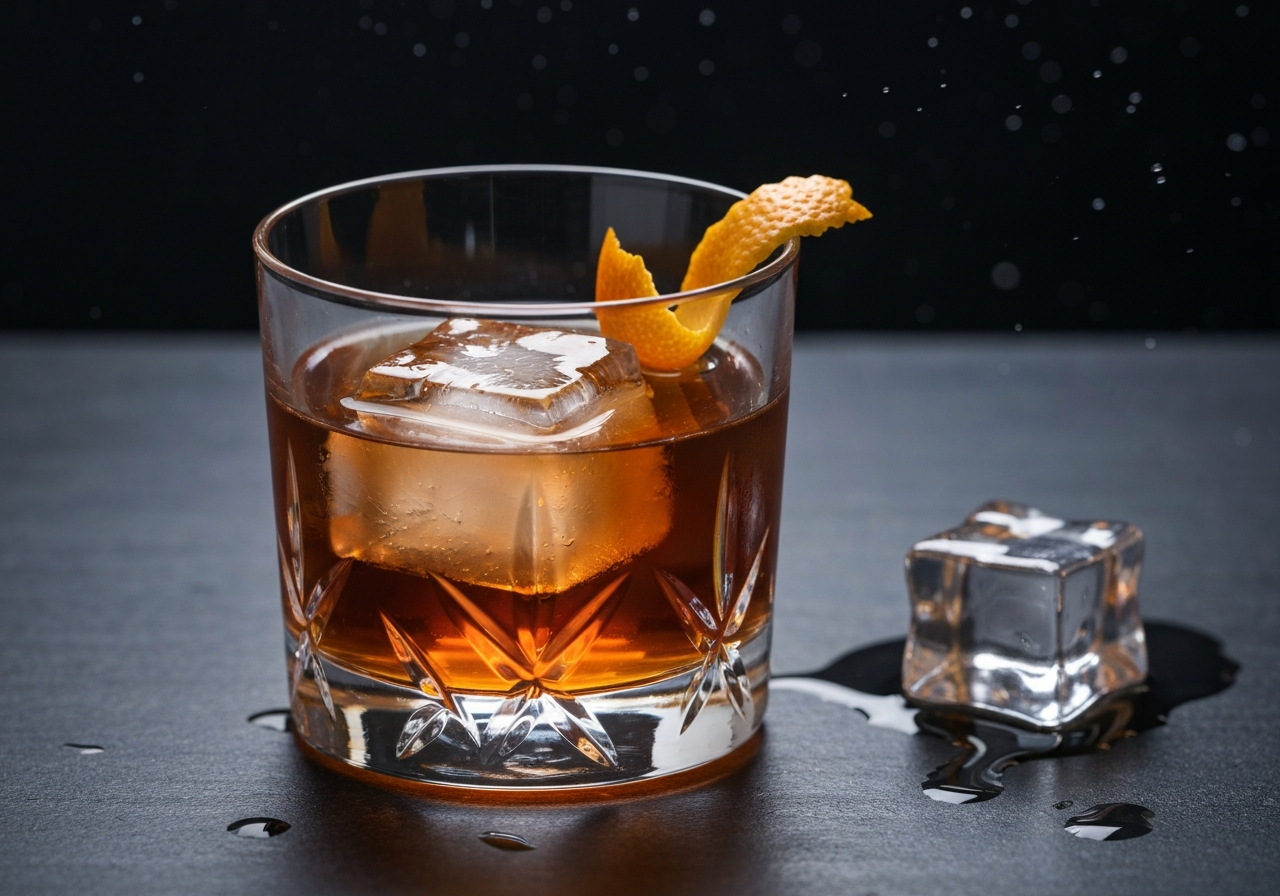
2. Split Old Fashioned
Base: šljivovica
Šljivovica responds to the Old Fashioned template the way a good bourbon does - with gratitude. The plum fruit is the star; sugar and bitters are simply the frame.
- 60ml šljivovica
- 5ml demerara syrup
- 2 dashes Angostura bitters
- 1 dash mole or chocolate bitters
- Garnish: expressed orange peel, discarded
Stir over large ice until well diluted. Strain into a rocks glass over a single large cube. The mole bitters are optional but add a dark, earthy undertone that plays well against the plum.
Why it works: Šljivovica has the stone fruit richness and structural backbone that makes it a natural stirred spirit. Put this in front of a Scotch or bourbon drinker as a point of entry - the template is familiar, the flavour is entirely new.
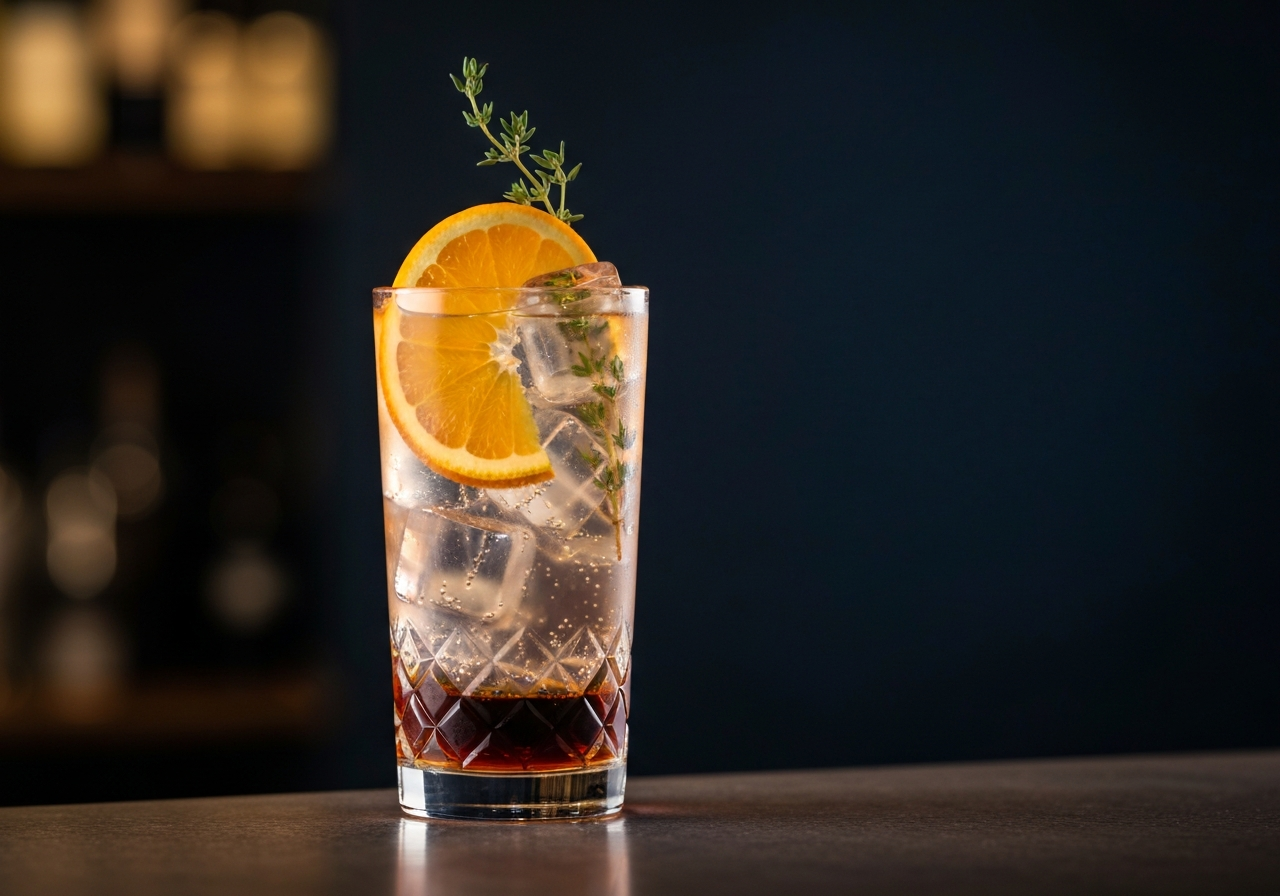
3. The Pelin & Tonic
Base: pelinkovac
The simplest serve, and often the most effective introduction to a new bitter spirit. Pelinkovac's wormwood bitterness and herbal depth work the same way Campari does in a Spritz - as a flavour anchor that the mixer opens up rather than dilutes.
- 45ml pelinkovac
- Top with quality tonic water (low sweetness)
- Garnish: orange slice, sprig of thyme
Build over ice in a highball. A gentle lift is all that's needed.
Why it works: This is a venue's easiest Croatian listing - low effort, high intrigue, and a genuine alternative to the Aperol Spritz for the guest looking for something less sweet. The bitterness needs length and bubbles, not complexity.
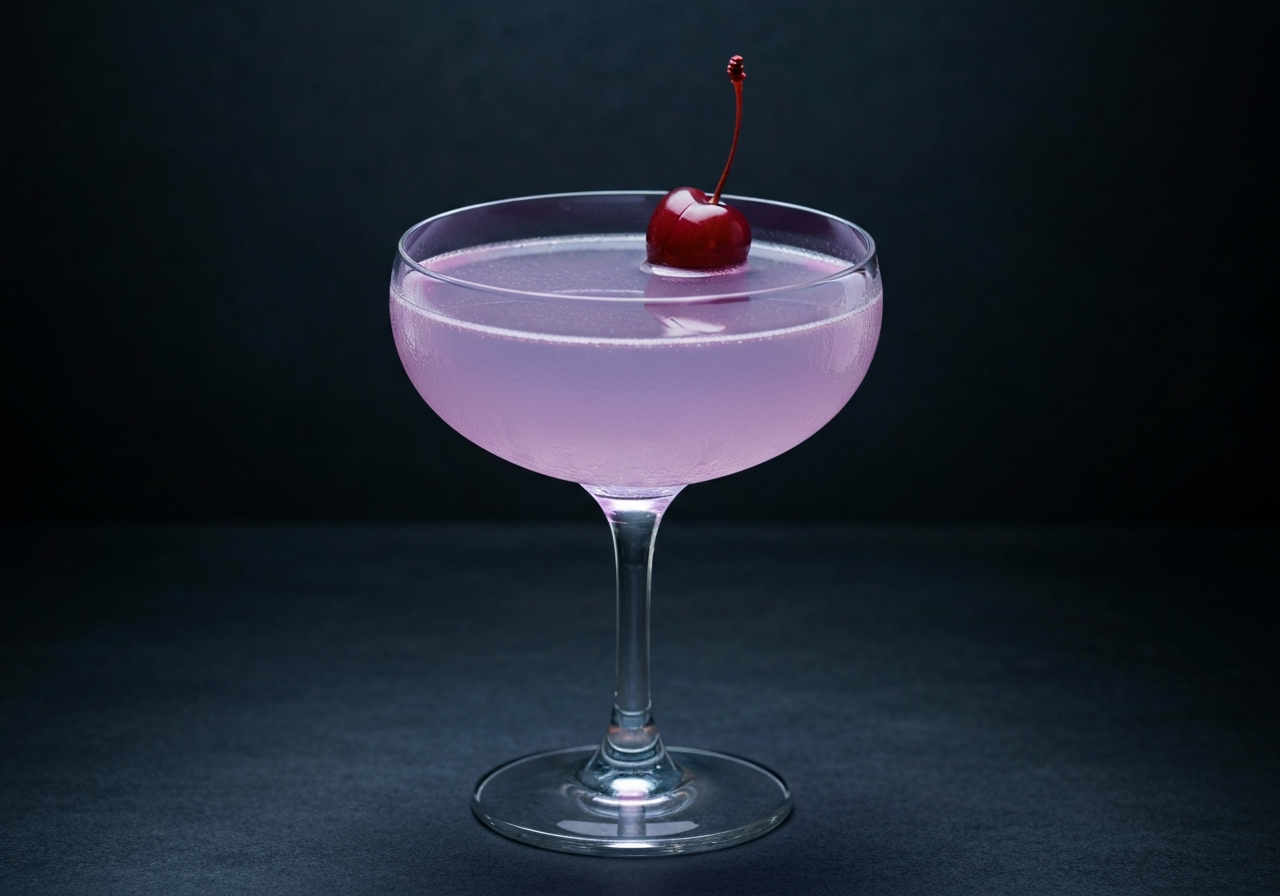
4. Zadar Aviation
Base: Maraska Maraschino
The Aviation is the cocktail that made maraschino famous - and using Maraska, the Zadar producer that originated the style, is the most direct connection a bartender can make to the ingredient's source. Most bars use whatever maraschino is on the shelf. Switching to Maraska is an immediate and noticeable upgrade.
- 45ml good dry gin
- 20ml fresh lemon juice
- 15ml Maraska Maraschino
- 7.5ml crème de violette
- Garnish: Marasca cherry
Shake hard with ice, double-strain into a chilled coupe. The Marasca cherry as garnish closes the loop - the fruit the liqueur is made from, served alongside the drink.
Why it works: Maraska's maraschino is drier and more complex than many alternatives - the almond-bitter note from the cherry pits is more pronounced, lifting the whole cocktail. A side-by-side comparison with a standard maraschino is one of the most convincing staff education exercises you can run.
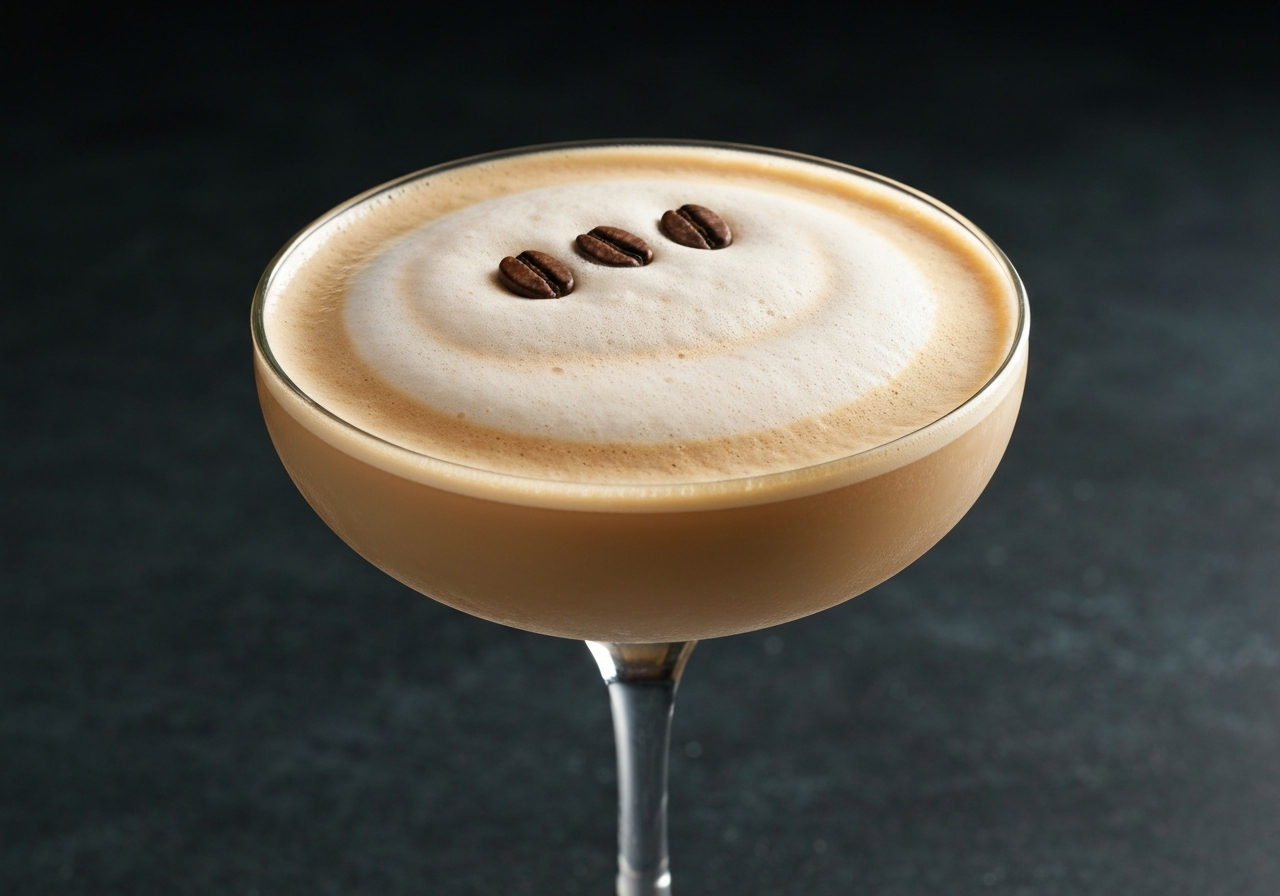
5. Kava Bijela
Base: Croatian coffee cream liqueur
Kava bijela means white coffee in Croatian - and that is exactly what this cocktail is, given a Dalmatian accent. The coffee cream liqueur is the anchor; adding šljivovica introduces a plum note underneath the coffee that is unexpected and genuinely compelling.
- 40ml Croatian coffee cream liqueur
- 30ml šljivovica (or vodka for a more straightforward build)
- 20ml cold brew concentrate
- Garnish: three coffee beans
Shake hard with ice and strain into a chilled coupe or over a single large rock.
Why it works: Coffee cocktails are perennial best-sellers on-premise. This gives a bar a point of difference within a familiar category - same occasion, same customer, but a story worth telling. Put the Croatian name on the menu alongside the English and let the conversation start itself.
Building a Croatian cocktail programme
These five drinks represent five different entry points into the category - a sour, a stirred spirit-forward, a long drink, a classic riff, and a cream cocktail. Together they cover most occasions and most customer types on a contemporary Australian bar menu.
The broader opportunity for any venue is positioning. A bar with two or three Croatian spirits on the back bar has a story no competitor is currently telling. The Dalmatian coast, the island herbs, the Marasca cherry orchards outside Zadar - this is some of the most evocative provenance in the spirits world, and it is almost entirely absent from Australian cocktail culture.
The bartenders who get in early on this category will be ahead of a conversation that is only just beginning.
Flox Wines and Spirits distributes Croatian spirits across Australia, including Badel and Maraska.
For trade pricing, product samples, and staff education support, contact our team.